

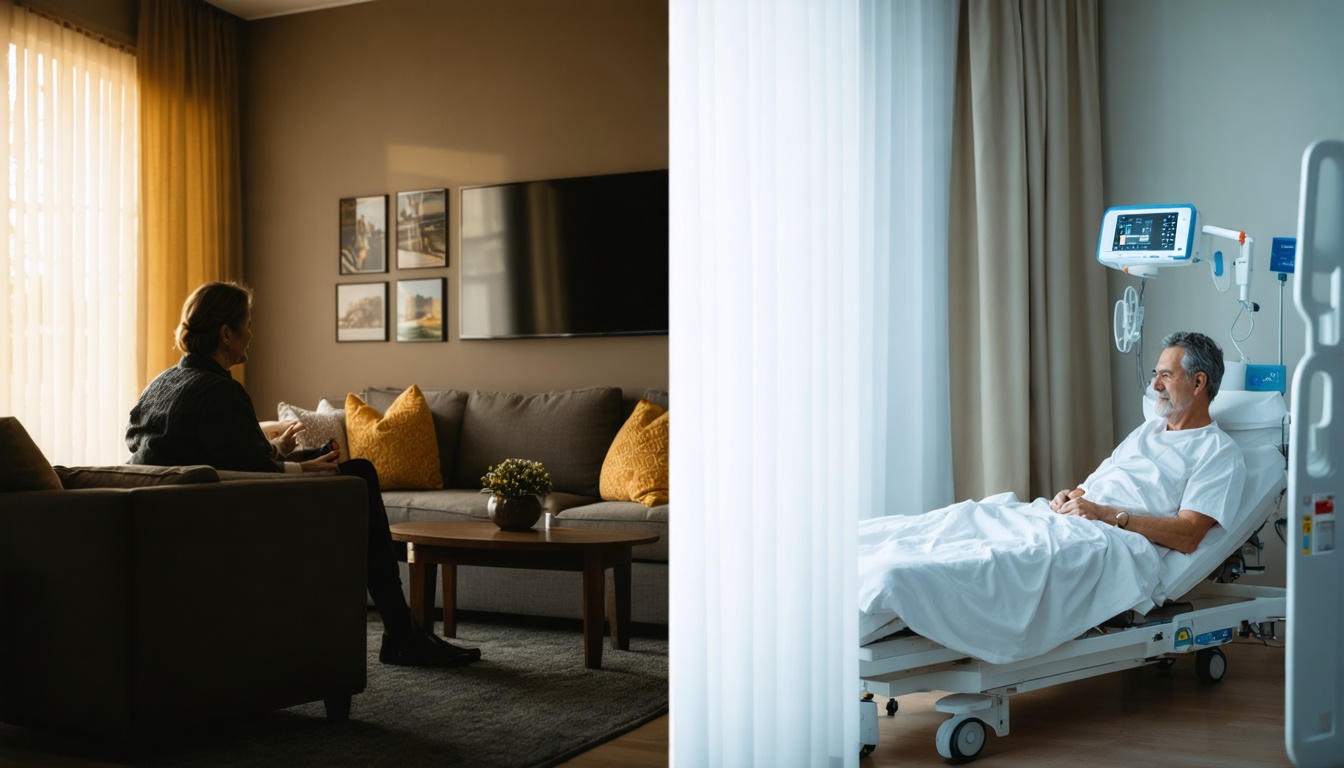
Residential and Inpatient Addiction Treatment Compared
When you're facing a serious addiction, choosing between residential and inpatient treatment can shape your recovery journey. Each setting offers a unique approach, with different structures, therapies, and community support. It's not always clear which environment best meets your needs. Before making a decision, it's essential to understand how these programs truly differ and what they offer beyond the surface. By doing so, you can ensure you do not overlook a crucial aspect of your path to lasting change. To gain a deeper understanding of these options, you can explore various resources and speak to professionals in the field. This can help you make a more informed choice that aligns with your recovery goals.
Defining Residential and Inpatient Treatment
Understanding the differences between residential and inpatient treatment is critical when considering options for addiction recovery.
Residential rehabilitation programs offer a structured environment where individuals live onsite for an extended period, typically several months. This setting emphasizes skill development and community support to address issues related to drug or alcohol misuse, mental health challenges, and the overall recovery process.
In contrast, inpatient treatment takes place in a hospital environment and involves 24-hour medical supervision. This high level of care is essential for individuals facing severe addiction and often includes detoxification processes managed by medical professionals.
Inpatient programs are designed to provide immediate care and intervention for acute cases, ensuring that patients receive the necessary medical attention during a critical phase of their recovery.
It is important to recognize that each type of program is tailored to address different severity levels of addiction. Inpatient treatment is generally more appropriate for those needing intensive medical oversight, while residential rehabilitation facilitates long-term recovery strategies for individuals with less critical conditions.
Patients may transition between these programs according to their specific needs and the length of treatment considered appropriate by healthcare professionals. This flexibility allows for a more personalized approach to recovery, which can enhance the overall effectiveness of treatment outcomes.
For more detailed information on these treatment options, you can visit Akron Drug Rehab Centers.
Core Features and Structure of Each Program
Both residential and inpatient addiction treatment programs are designed to facilitate recovery, yet they are characterized by significant differences in their core structures and focus.
Inpatient treatment is primarily executed in a hospital or clinical setting, providing immediate and intensive medical care. This approach is typically reserved for individuals experiencing severe drug or alcohol abuse and requires detoxification. The duration of inpatient treatment generally ranges from a few days to several weeks, depending on the individual’s needs and medical complications.
Conversely, residential rehabilitation programs emphasize a structured living environment that fosters skill development and promotes long-term recovery. These programs often last several months and include various therapeutic components such as group therapy, holistic approaches, and peer support systems. In a residential setting, patients are encouraged to face real-life situations while receiving guidance and support, which is crucial for developing coping mechanisms.
One of the key distinctions between the two types of programs is the level of supervision and the type of environment provided. Inpatient care offers more intensive medical supervision, while residential programs focus more on therapeutic and lifestyle interventions.
It is also common for patients to transition from inpatient care to residential rehabilitation based on the severity of their condition and their progress in recovery.
To learn more about the differences and benefits of each treatment type, [click here](#). Each program serves specific needs and circumstances, thus playing important roles in the continuum of care for individuals struggling with addiction.
Major Distinctions in Care and Environment
Both inpatient and residential addiction treatment programs are designed to facilitate long-term recovery, yet they present distinct differences in their settings and methodologies.
Inpatient rehabilitation typically occurs in a hospital environment, where individuals with severe substance use disorders receive intensive medical care and attention. This approach is especially useful for those requiring immediate detoxification, as it provides around-the-clock supervision by qualified medical professionals, which is essential for ensuring stabilization of mental health.
In contrast, residential treatment programs are characterized by a more homelike atmosphere, often referred to as therapeutic communities. These programs, which may be located in various regions such as Georgia, focus on fostering long-term recovery through the development of life skills and the establishment of peer support networks.
For further details on residential treatment options, you can visit this page. Residential treatment generally spans several months, allowing patients to integrate these skills gradually and work towards sustainable recovery in a supportive environment.
This difference in approach reflects the varying needs of individuals seeking treatment and highlights the importance of choosing the appropriate setting based on one's specific circumstances.
Advantages of Residential and Inpatient Approaches
Both residential and inpatient treatment models offer distinct advantages tailored to various stages and severities of addiction. Inpatient rehabilitation is designed to deliver immediate, around-the-clock medical care for individuals experiencing significant substance use disorders. This approach includes comprehensive detoxification, continuous medical supervision, and support services available daily, making it suitable for those in need of urgent and acute interventions.
Conversely, residential treatment programs typically span several months and emphasize the development of life and coping skills within a structured community environment. These programs are often more appropriate for individuals who are seeking a gradual recovery path and do not require intensive medical intervention.
The flexibility of transitioning between these treatment models allows patients to receive care that aligns with their evolving needs throughout the recovery process.
For further information, consider exploring facilities that provide tailored treatment plans or reaching out to relevant professionals. You can find additional resources related to treatment options by visiting [this link](#).
It is important to acknowledge that TRICARE is a registered trademark of the Department of Defense, which may offer further assistance concerning available treatment alternatives.
Considerations for Selecting an Appropriate Program
Selecting an appropriate addiction treatment program necessitates a thorough assessment of individual needs and circumstances. It is essential to consider the severity of drug or alcohol abuse. For individuals facing acute cases, inpatient programs, typically located in hospital settings, can provide immediate supervision and detoxification.
In contrast, residential rehabilitation options, such as those available in Georgia, cater to individuals requiring longer-term support for less severe addiction.
When evaluating treatment options, consider the length of time necessary for recovery. Residential treatment often spans several months, whereas inpatient programs may range from a few days to several weeks, depending on the individual's specific requirements.
It is also important to discuss any underlying mental health considerations with qualified medical staff or independent practitioners to ensure comprehensive treatment. For further information on various treatment programs, you can explore available resources [here](https://www.example.com).
Patients should be aware that transitions between different levels of care may be necessary, depending on progress and emerging needs throughout the recovery process.
It is prudent to review the program terms, privacy policies, and the rights of the patient thoroughly. For further information or clarification regarding treatment options, potential patients are encouraged to reach out for assistance.
Conclusion
When considering addiction treatment, you will need to weigh the structured environment and community focus of residential care against the intensive medical oversight of inpatient programs. Both offer comprehensive therapies and support systems, but your decision should reflect your specific needs, history, and resources. As you evaluate these options, it may be beneficial to explore additional information on both types of treatment. For more details on residential and inpatient programs, please visit [this link](#). Carefully assess each option's advantages and limitations, keeping in mind the level of support and duration that are most suitable for you. Ultimately, the right program should foster lasting recovery and personal growth.