Common Therapies Used in Inpatient Rehabs
When you enter inpatient rehab, you’re not just getting a bed and a schedule—you’re stepping into a structured mix of therapies designed to stabilize you now and support you later. You might work one‑on‑one on relapse triggers, join groups that challenge your thinking, and even use medication to manage cravings. But what actually happens in these sessions, and how do they work together to support lasting change?
Types of Therapy Used in Inpatient Rehab
While each inpatient rehab program structures its own schedule, most use a core set of evidence-based therapies that work together to support recovery. Cognitive-behavioral therapy (CBT) is commonly provided in group settings to help participants identify high-risk thoughts, evaluate them, and practice alternative coping strategies. Medication-assisted treatment (MAT) may be used to manage withdrawal symptoms and reduce cravings, allowing individuals to engage more effectively in therapy.
Daily process groups, psychoeducational sessions, and 12-Step–oriented meetings are often included to provide peer support, increase understanding of addiction, and develop practical recovery skills. Many programs also incorporate trauma-informed approaches and treatment for co-occurring mental health conditions (dual diagnosis), recognizing the frequent overlap between substance use disorders and other psychiatric concerns. These components are commonly found across accredited rehabs in Virginia, which can be searched using Better Care Addiction, where providers focus on structured care plans that address both substance use and underlying mental health needs.
In addition, some facilities offer complementary interventions such as mindfulness practices, yoga, art or music activities, and recreational therapies, which aim to enhance overall well-being and resilience during treatment and after discharge. Treatment networks help individuals explore different rehab options by outlining the types of therapies available, levels of care offered, and how programs align with a person’s specific recovery goals.
Individual Therapy In Inpatient Rehab
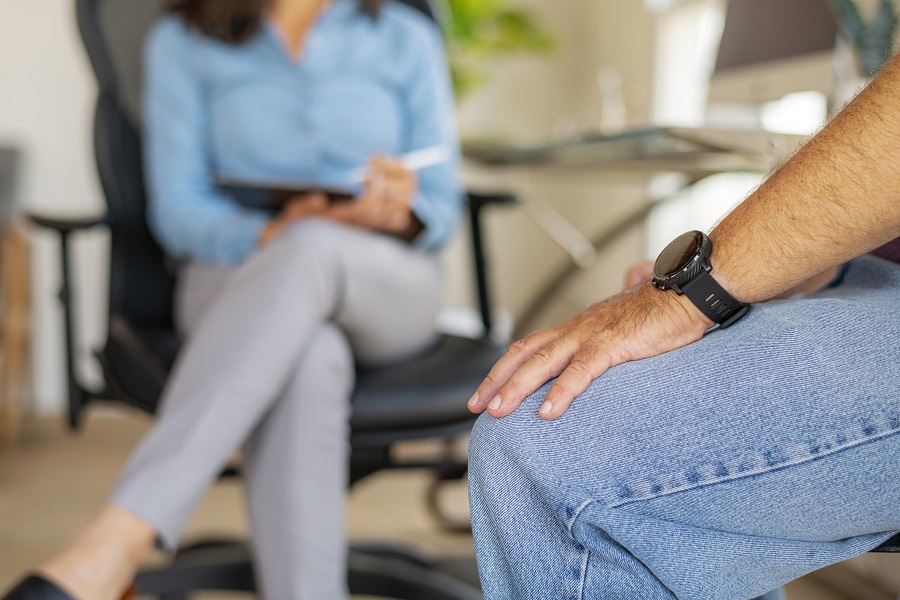
Inpatient rehab includes both group and individual therapy. Individual sessions provide focused time with a licensed clinician to address the specific factors contributing to a person’s substance use.
Typically, patients meet one-on-one with a licensed clinical social worker (LCSW), licensed professional counselor (LPC), or psychologist on a regular schedule, which may be daily or several times per week, depending on the program.
Common goals in individual therapy include relapse prevention planning, managing cravings, identifying triggers, and developing alternative coping strategies.
Cognitive Behavioral Therapy (CBT) is frequently used to examine unhelpful thought patterns, practice new behavioral responses, and plan for high‑risk situations. Motivational Interviewing (MI) may be incorporated to help patients clarify their own reasons for change and enhance commitment to treatment.
For individuals with a history of trauma, evidence‑based trauma therapies, such as Eye Movement Desensitization and Reprocessing (EMDR) or certain somatic approaches, may be integrated into the overall treatment plan when clinically appropriate.
Individual therapy also often includes preparation for discharge, coordination of aftercare services, and support with transition to outpatient or community-based resources.
Group Therapy and Peer Support In Inpatient Rehab
Group therapy and peer support are central components of many residential treatment programs. They provide a structured setting to learn and practice recovery skills alongside others who are facing similar challenges. In inpatient rehab, therapist‑led groups typically meet daily and address topics such as relapse prevention, coping strategies, emotional regulation, and psychoeducation about addiction and mental health.
Groups usually include about 6–12 participants, which allows for a range of perspectives while still giving individuals the opportunity to speak and receive feedback. Process and peer support groups emphasize open discussion, helping participants develop honest communication, mutual accountability, and skills for managing interpersonal conflict without substances.
Many programs also incorporate 12‑Step meetings or other peer‑run recovery groups. These can help participants begin building a sober support network during treatment, which may improve continuity of support and reduce isolation after discharge.
Research suggests that ongoing peer support is associated with better engagement in recovery and lower relapse rates, although outcomes vary depending on individual circumstances and the quality of the program.
Family and Couples Therapy In Inpatient Rehab
Although treatment primarily targets the individual, many inpatient rehab programs formally include partners and family members through structured therapy sessions. These typically occur weekly with licensed therapists who provide education on addiction, relapse risk factors, and evidence‑based support strategies. Sessions focus on identifying unhelpful interaction patterns, enabling behaviors, and conflicts that may contribute to substance use.
Therapists often teach skills such as setting and respecting boundaries, using clear and assertive communication, and preparing for high‑risk situations. This can include discussing how family members might respond if a lapse or relapse occurs, in ways that encourage safety and treatment engagement rather than punishment or denial.
Family therapy is usually integrated into discharge and aftercare planning so that the home environment is more consistent with recovery goals. Participation is generally voluntary for both the patient and family members. To reduce barriers such as distance or scheduling, many programs offer telehealth or virtual family sessions when appropriate and clinically indicated.
Trauma-Focused Therapies In Inpatient Rehab
Because trauma and substance use often influence one another, many inpatient rehab programs now integrate trauma‑focused therapies into the overall treatment plan. Patients may receive interventions such as EMDR, trauma‑focused CBT, or somatic therapies in individual sessions scheduled alongside group programming and medical care. These modalities are used to help process traumatic memories, decrease hyperarousal, and reduce trauma‑related cues that have contributed to substance use.
Staff typically follow trauma‑informed principles, emphasizing physical and emotional safety, informed consent, and pacing of therapeutic work to reduce the risk of retraumatization. On dual‑diagnosis units, psychiatric care, medication management, and trauma‑focused psychotherapy are coordinated to address both trauma‑related conditions and substance use disorders. Some programs also include family‑oriented trauma work and psychoeducation to support boundary‑setting and coping skills, to create a more stable home environment after discharge and facilitate continuity of care.
Key Behavioral Therapies In Inpatient Rehab
Key behavioral therapies in inpatient rehab focus on how thoughts, emotions, and relationships contribute to substance use and how these patterns can be changed.
In Cognitive-Behavioral Therapy (CBT), patients learn to identify unhelpful thinking patterns, manage cravings, and practice relapse-prevention skills in both individual and group formats.
Motivational Interviewing (MI) or Motivational Enhancement Therapy (MET) is used early in treatment to explore ambivalence about change and strengthen commitment to specific recovery goals.
Contingency Management (CM) provides structured incentives, such as vouchers or privileges, for negative drug tests or consistent engagement in treatment activities.
Family or couples therapy aims to improve communication, address enabling behaviors, and establish clearer boundaries that support recovery.
Trauma-informed approaches, which can include Eye Movement Desensitization and Reprocessing (EMDR) and Dialectical Behavior Therapy (DBT), address post-traumatic stress symptoms, emotional dysregulation, and other factors that increase relapse risk.
Holistic and Recreational Therapies In Inpatient Rehab
Holistic and recreational therapies in inpatient rehab broaden treatment beyond individual or group counseling and medication management. Structured yoga and mindfulness sessions emphasize breathing techniques and present‑moment awareness, which can help reduce physiological arousal, stress, and cravings. Art and music therapy provide alternative ways to process emotions, improve attention, and enhance self‑awareness under the guidance of trained clinicians.
Recreational therapy—such as guided exercise, hiking, or team sports—encourages regular physical activity, which is associated with better mood regulation, improved sleep, and reduced relapse risk. These activities can also support the development of social skills, routine, and healthy leisure interests. Some programs incorporate equine‑assisted or adventure‑based activities to address trust, communication, and problem‑solving in real‑time, experiential settings.
Nutrition counseling and individualized fitness plans aim to restore physical health, stabilize energy levels, and address deficiencies that may be associated with substance use. Together, these approaches are intended to complement core addiction treatment by addressing physical, emotional, and social aspects of recovery.
Medication-Assisted Treatment and Medical Care In Inpatient Rehab
In addition to holistic and recreational therapies that address emotional and social needs, inpatient rehab often uses structured medication-assisted treatment (MAT) and ongoing medical monitoring to support physical stabilization. Depending on the substance involved, clinicians may prescribe medications such as methadone, buprenorphine, or naltrexone for opioid use disorder, or use tapered benzodiazepines or gabapentin for sedative and alcohol withdrawal, following established clinical guidelines.
Nursing staff typically provide 24/7 observation, monitor vital signs, and may use standardized tools such as the Clinical Opiate Withdrawal Scale (COWS) to adjust dosages and respond to complications. Psychiatrists assess for co-occurring mental health conditions and may prescribe antidepressants, mood stabilizers, or antipsychotics when indicated.
In parallel, therapists commonly use evidence-based approaches such as cognitive behavioral therapy (CBT), motivational interviewing (MI), and group therapy to support relapse prevention and promote longer-term recovery.
How Inpatient Rehab Therapies Support Recovery After Discharge
Even before discharge, the focus of inpatient rehab therapies gradually shifts from immediate stabilization to long‑term functioning in daily life. The treatment team collaborates with you to develop an individualized aftercare plan that may include scheduled outpatient therapy, medication‑assisted treatment (MAT), or other prescribed medications, and connections to community resources.
Skills practiced regularly in treatment—such as cognitive behavioral therapy (CBT) coping strategies, relapse‑prevention planning, and dialectical behavior therapy (DBT)–informed emotion regulation—are intended to serve as practical tools for managing triggers and stressors at home. Family sessions aim to increase relatives’ understanding of substance use and mental health conditions, introduce them to educational materials and support groups, and clarify roles and expectations to support ongoing recovery.
Before you leave, staff may also coordinate referrals to sober living environments, intensive outpatient programs (IOP), vocational rehabilitation services, and case management. These supports can help address housing, employment, and insurance or benefit needs. By targeting these social and practical factors, aftercare planning seeks to lower the likelihood of relapse and improve overall stability over time.
Conclusion
In inpatient rehab, you don’t face addiction alone—you use a whole toolbox of therapies that work together. You learn practical coping skills in individual and group sessions, repair relationships through family work, and safely process trauma with specialized care. Medications and medical support help stabilize your body, while holistic activities rebuild your confidence and routine. As you prepare for discharge, these therapies give you a concrete plan—and real hope—for lasting recovery.